Coolant Bounces Off
Sealed silicone and stainless steel surfaces keep coolant mist, spray and cleaning chemicals away from the switches. The sealing rating applies once the keyboard is installed correctly, so tell us how yours will be mounted.
Your Specialists In
Designed to operate where office keyboards fail.
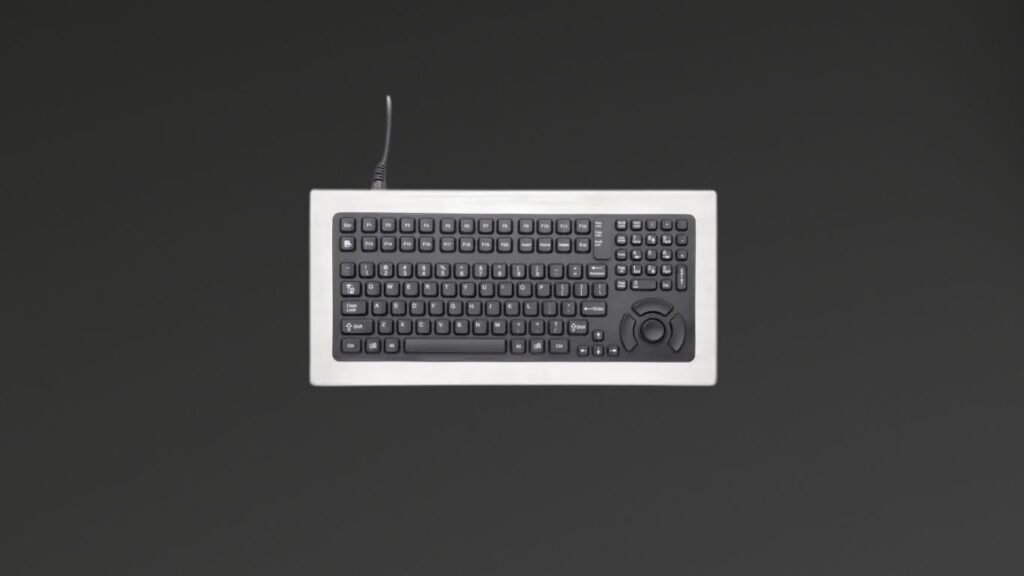
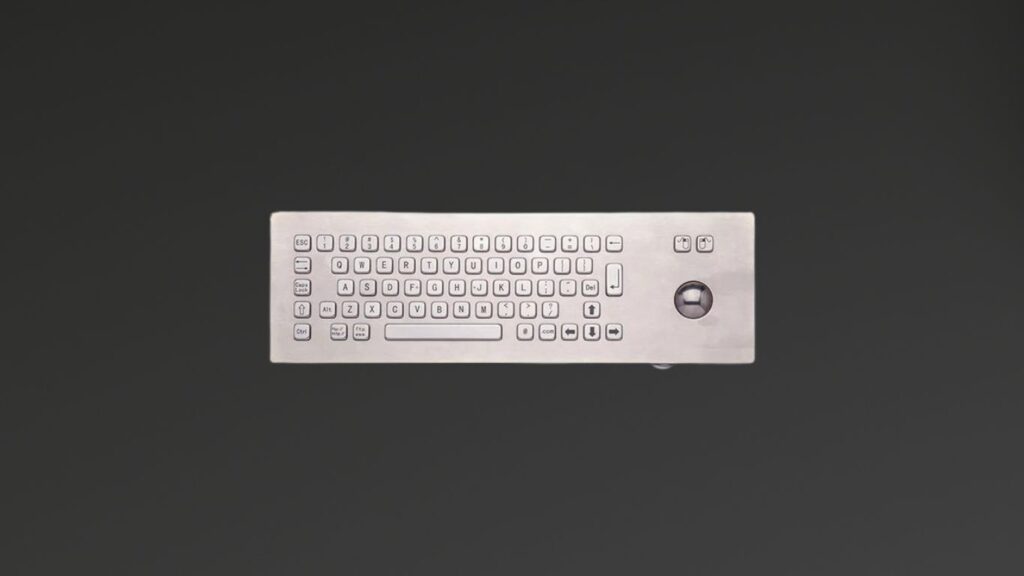
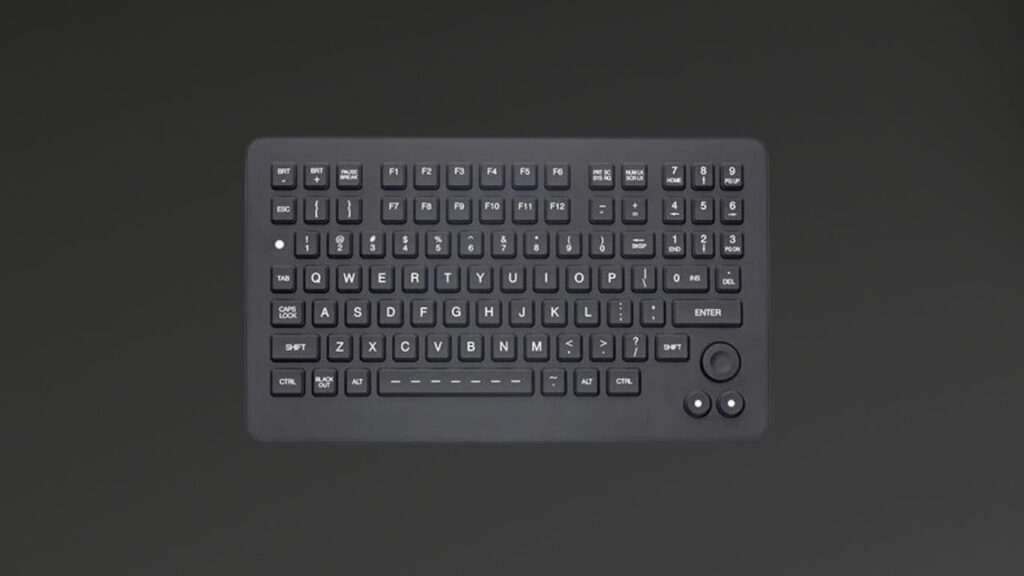
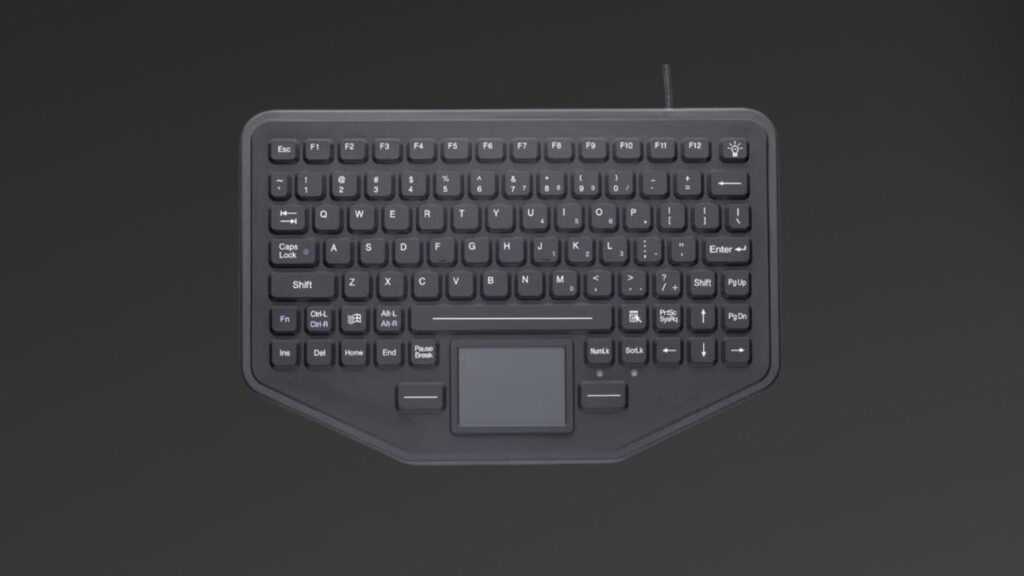
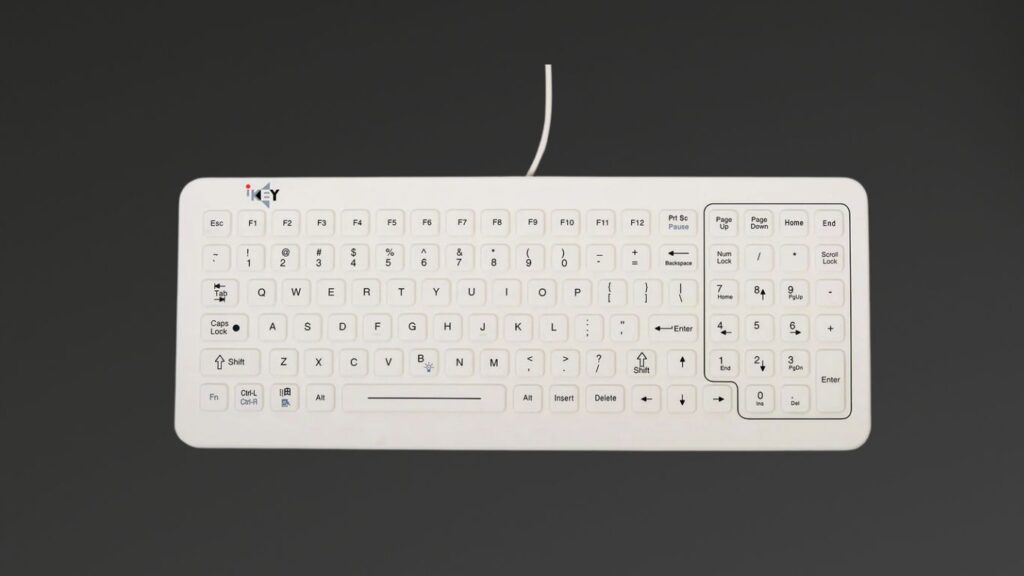
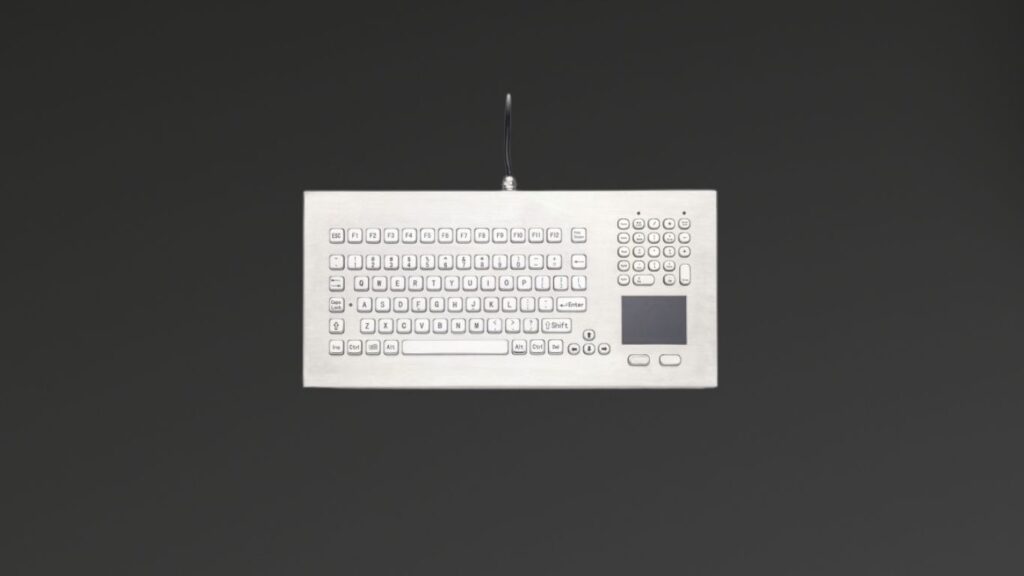
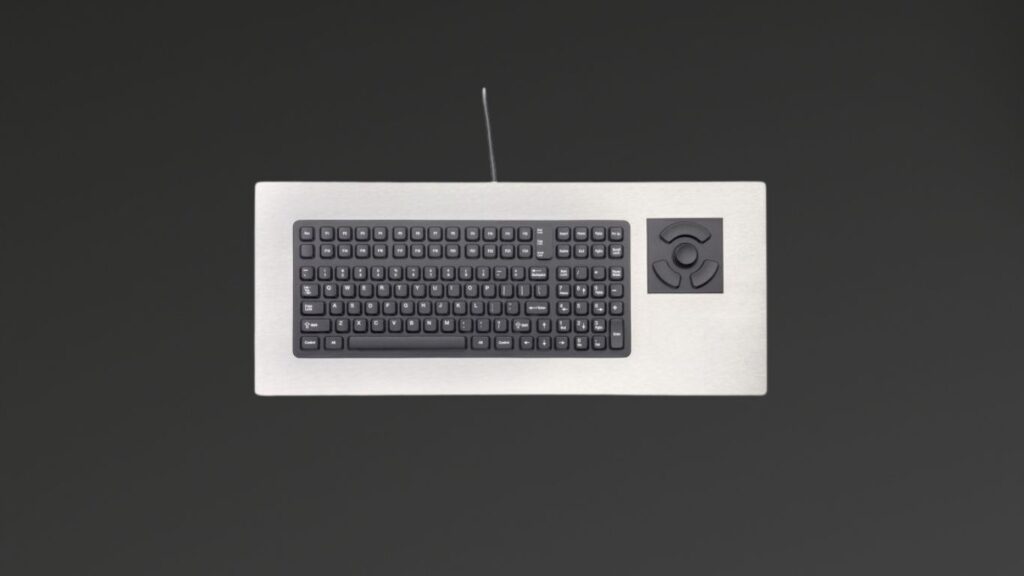
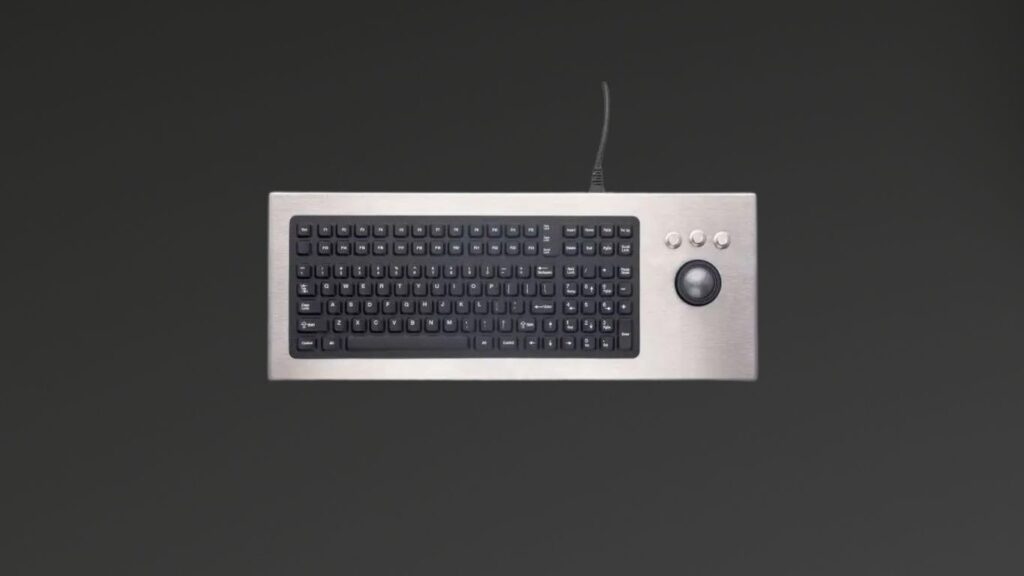
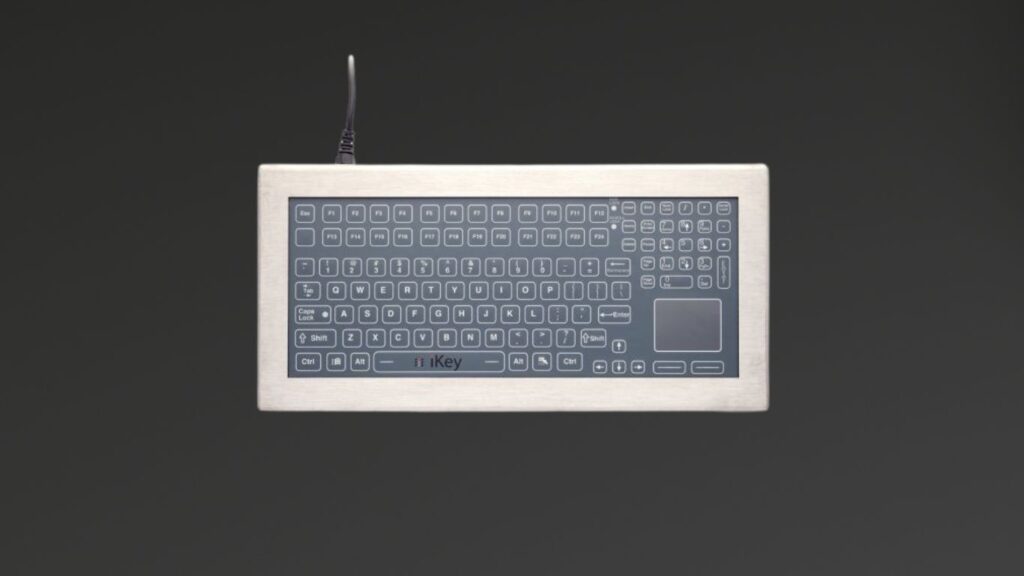
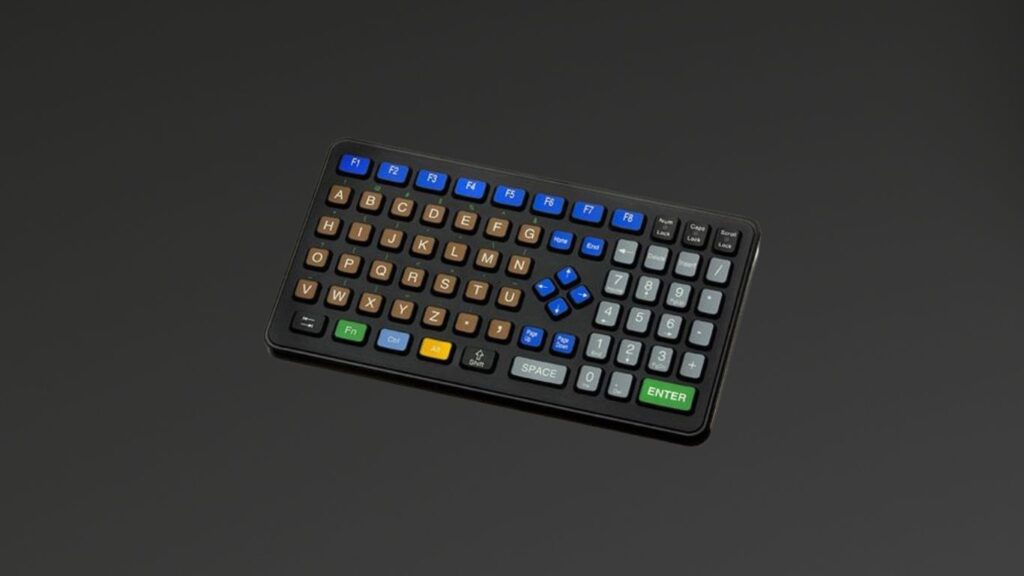
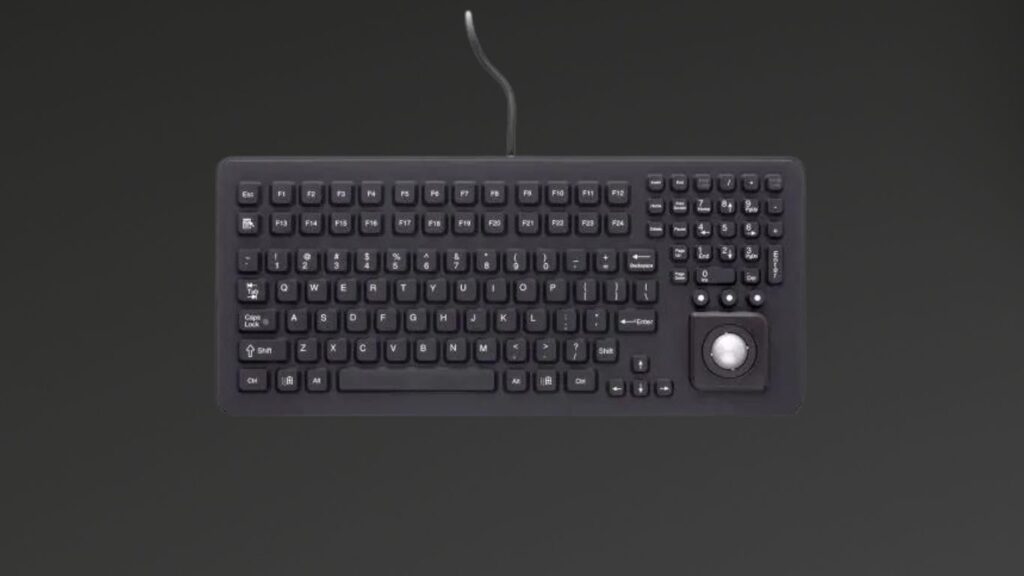
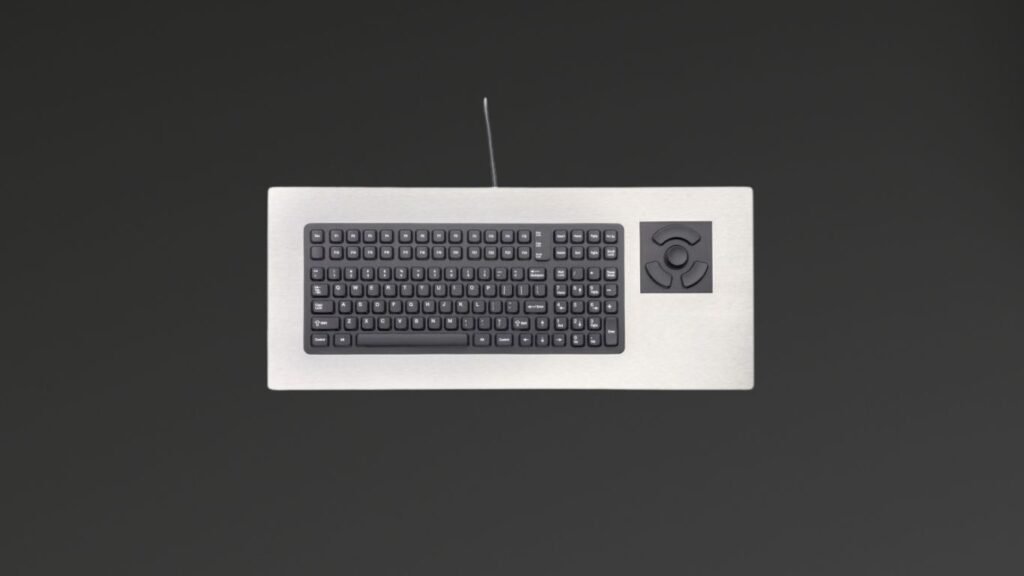





















An industrial keyboard has to work in places where a standard office keyboard quickly becomes unreliable. On production lines, in workshops, control panels, factories and processing areas, keyboards are exposed to dust, moisture, grease, cleaning chemicals, impact and constant use. Industrial keyboards are built for these environments, giving operators a dependable way to enter data, control systems and keep equipment running. From manufacturing and automation to food production, logistics, engineering and industrial workstations, the right industrial keyboard helps reduce downtime, improve operator reliability and support daily operations where durability matters and failure can interrupt the whole process. The keyboards featured here are a selection; we supply many more formats, layouts and options, so tell us what you need and we will match a keyboard to the job.
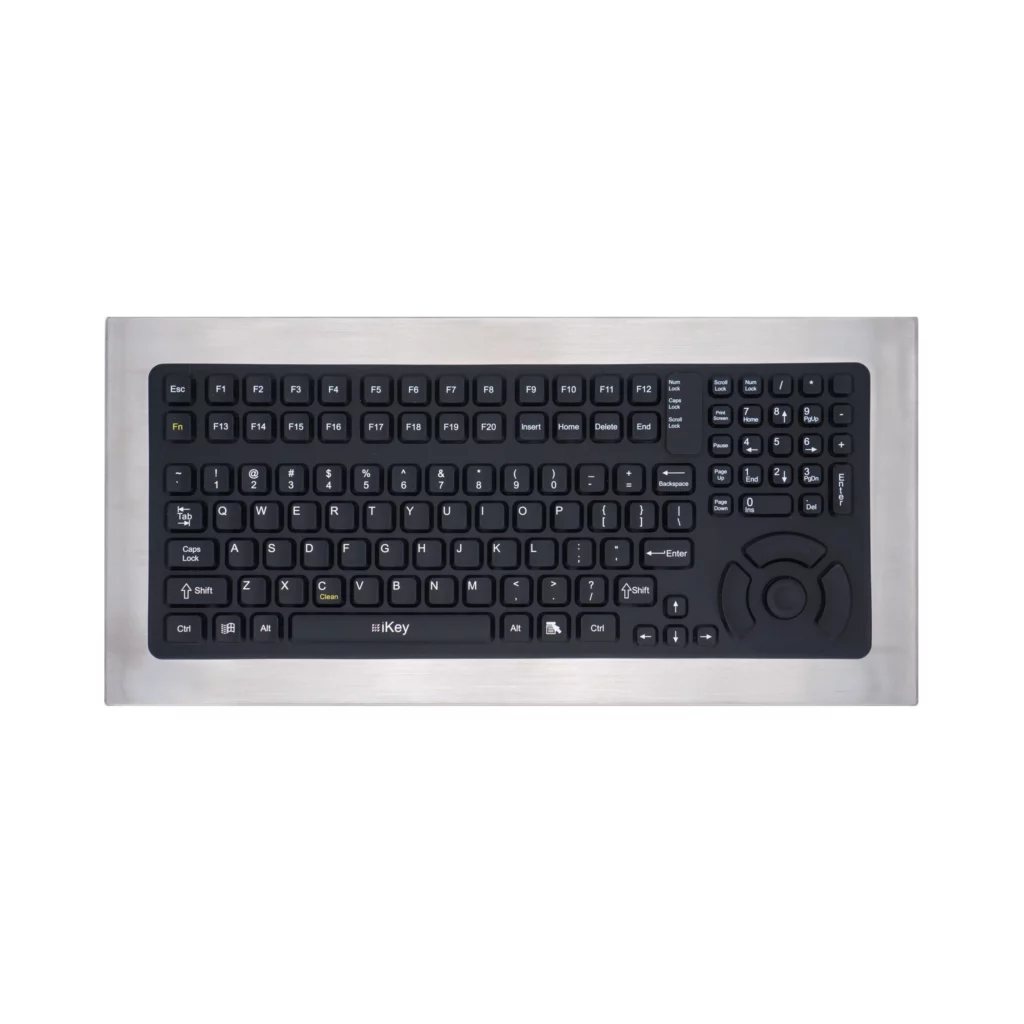
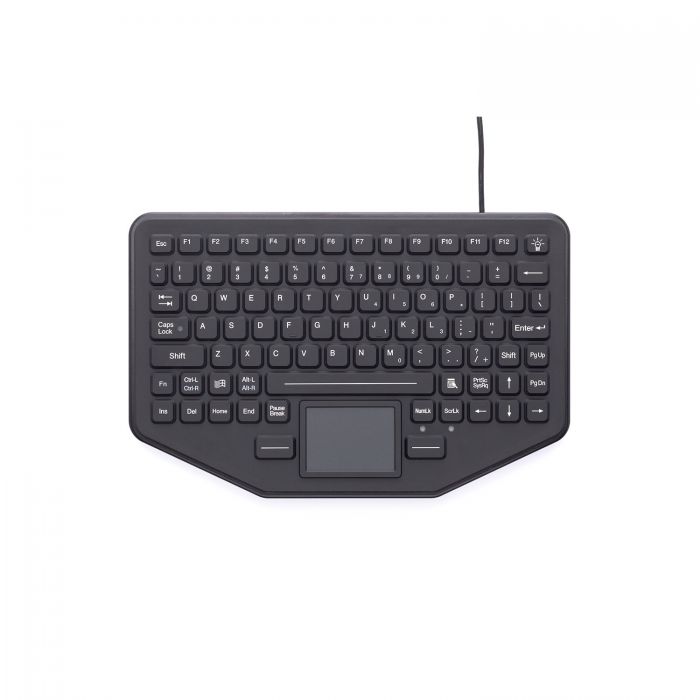
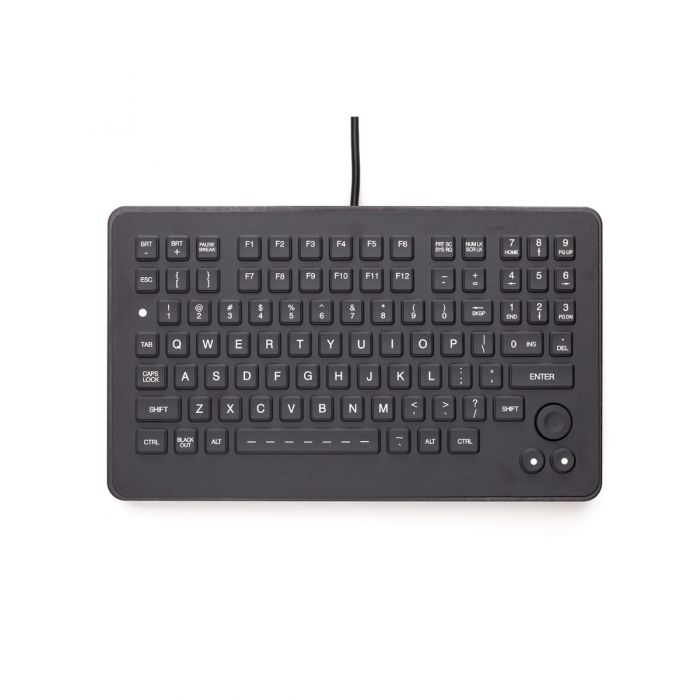
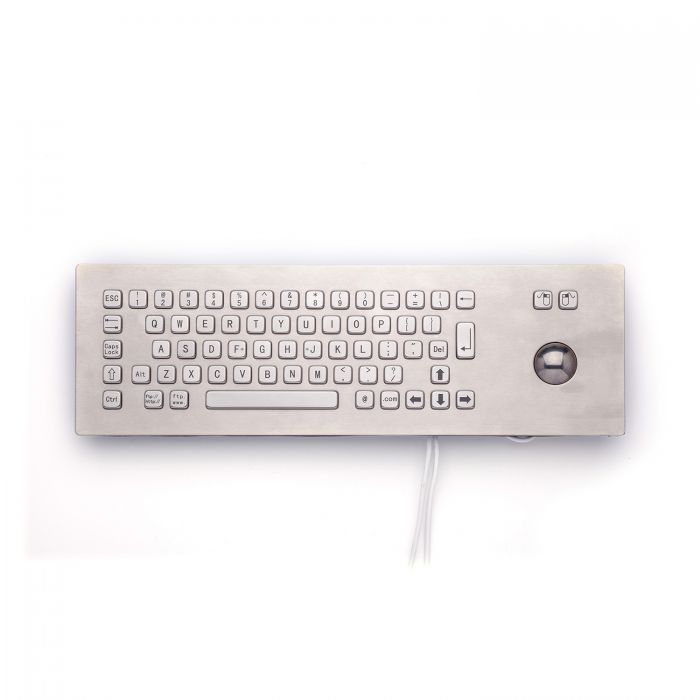
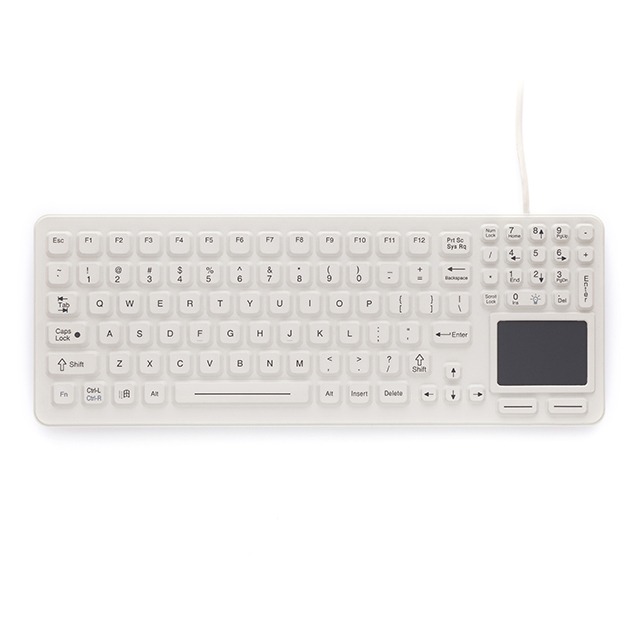
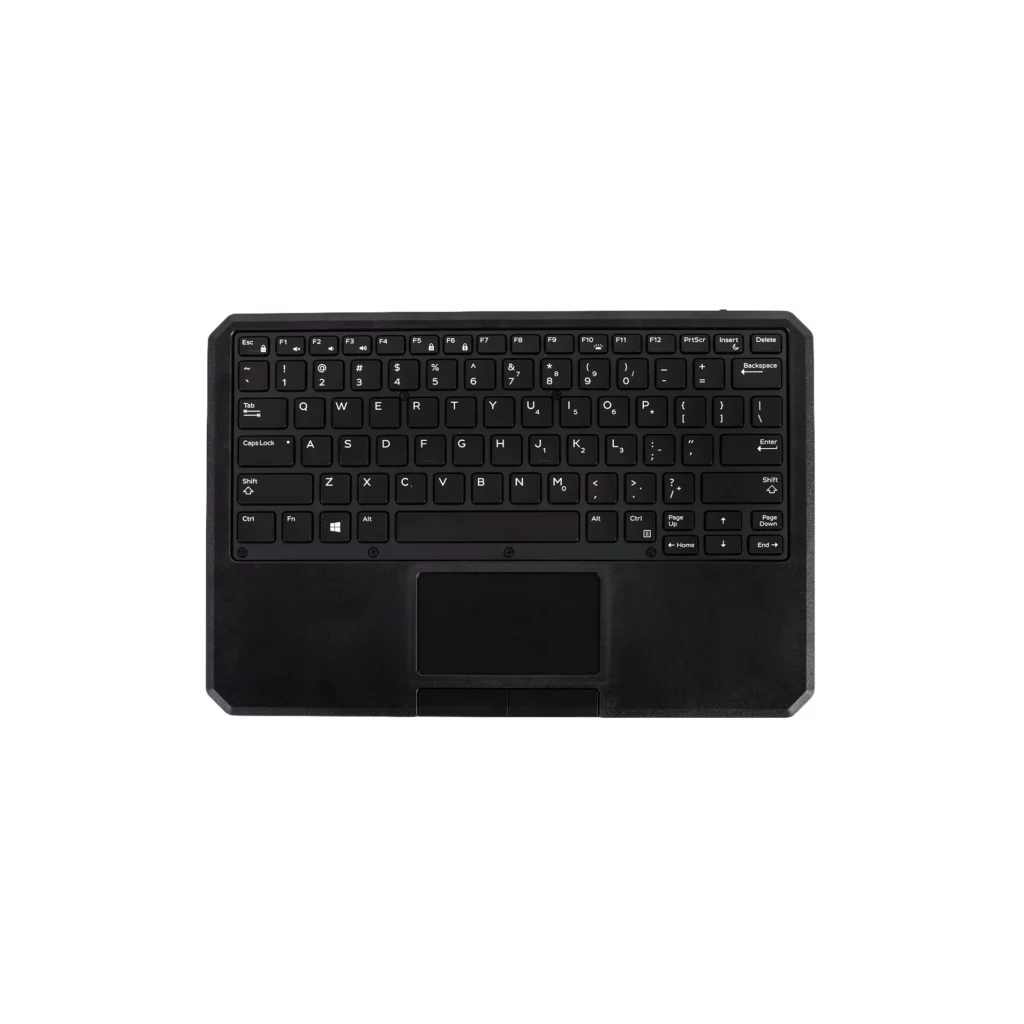
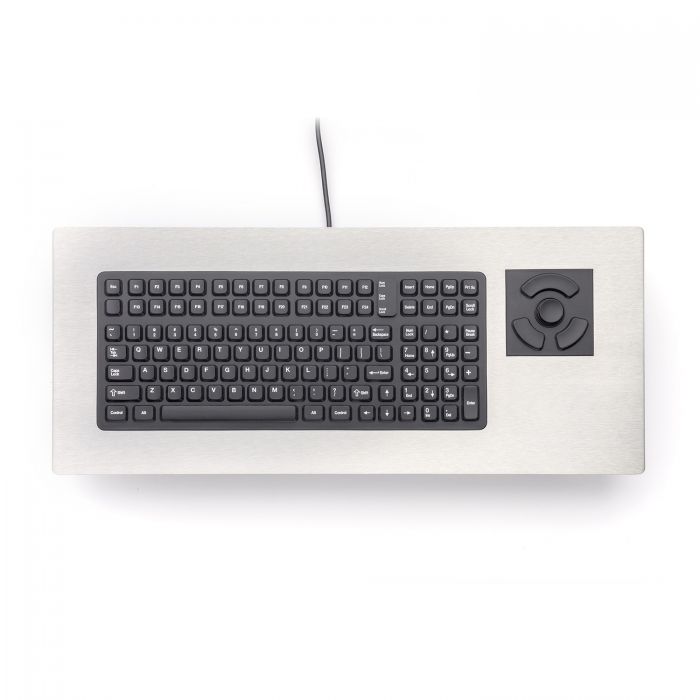
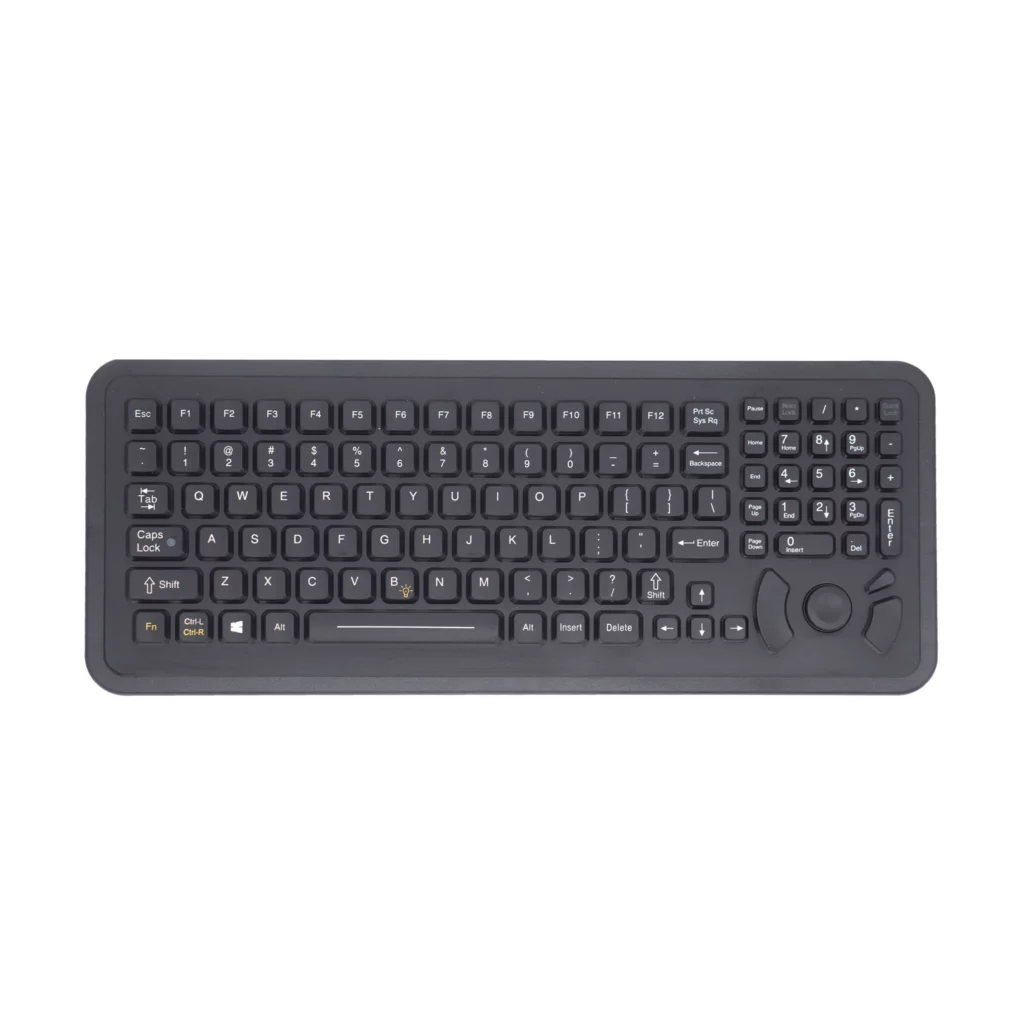
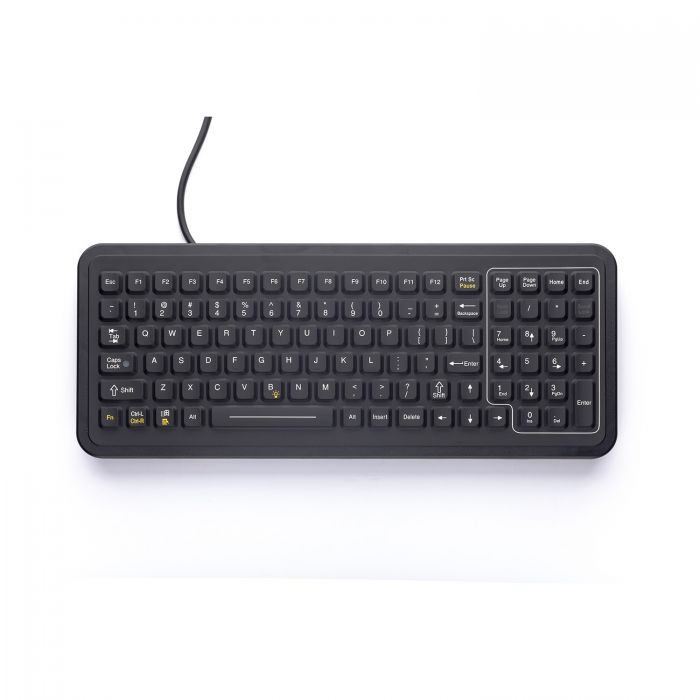
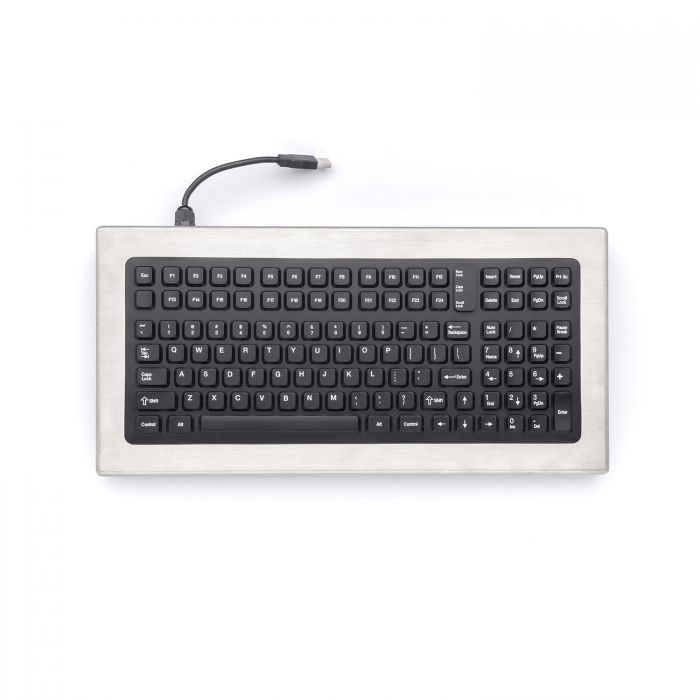
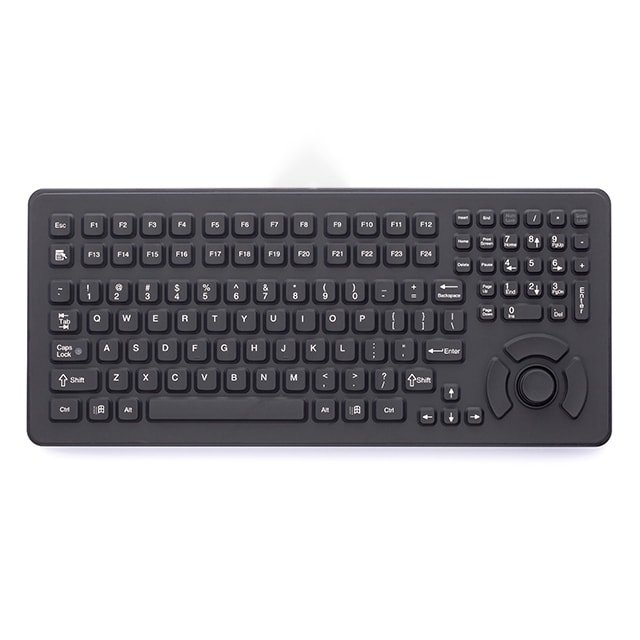
Eight reasons plant, process and automation teams specify a sealed keyboard that outlasts the shop floor.
Sealed silicone and stainless steel surfaces keep coolant mist, spray and cleaning chemicals away from the switches. The sealing rating applies once the keyboard is installed correctly, so tell us how yours will be mounted.
Cutting oil, solvents and metal swarf wipe off a sealed surface. Stainless steel is the usual choice for the harshest lines; check the material against the agents used on yours.
Short-travel silicone keys are typically quoted in millions of actuations, giving years of continuous data entry. Compare the figure with your duty cycle and ask us for the manufacturer's rating.
Flush panel mount and OEM formats fit standard cut-outs in consoles and cabinets. Look for a published cut-out size and drawing before you order, and ask us to confirm the fit.
Red, green and multi-colour backlighting keeps input fast on night shifts. Options typically include adjustable brightness; tell us the lighting at the station.
Operating ranges vary, so check the coldest and hottest the keyboard will see, from chilled food production and cold stores to hot process and forging areas, against the manufacturer's stated range.
Some industrial keyboards are tested by the manufacturer to standards such as MIL-STD-810 for shock and vibration, and EMC options exist. These are manufacturer statements, so ask us to confirm the revision your specification needs.
Smooth sealed overlays wipe down and tolerate repeated disinfection. IP66 covers powerful water jets, not immersion or high-pressure, high-temperature washdown, so tell us how your line is cleaned. Finishes such as medical-white exist for food, beverage and pharmaceutical lines; ask us.
Where industrial keyboards are used: production lines, food and pharmaceutical plants, warehouses, oil and gas sites, utilities and rail. Each block lists typical tasks and what to check for that sector.
Factory floors expose input devices to coolant, swarf, oil, vibration and around-the-clock use. Sealed keyboards with long-life keys, in panel mount or OEM formats, fit machine HMI, production lines and quality stations. Check the cut-out, the interface your controller expects and the temperature at the station.
Machine HMI and line control
PLC and process control panels
CNC and machine-tool interfaces
Quality control and inspection stations
Assembly and test benches
OEM console and enclosure integration
Hygiene-critical production combines washdown, chilled areas and repeated disinfection. Look for sealed IP66 keyboards with smooth, wipeable surfaces, and ask about finishes such as medical-white. IP66 covers powerful water jets; it does not cover immersion or high-pressure, high-temperature washdown, so tell us how your line is cleaned.
Washdown production areas
Hygienic packaging lines
Cleanroom and GMP data entry
Batch and recipe control
Cold-store and chilled logistics
Traceability and labelling stations

Distribution sites subject hardware to dust, drops, vibration and heavy use. Keyboards with sealed pointing devices, and kiosk-ready formats, keep picking, materials handling and dispatch systems usable across long shifts. Look for a secure mounting method and a cable that suits your routing.
Warehouse picking and put-away
Forklift and materials-handling terminals
Goods-in and dispatch stations
Inventory and stock control
Conveyor and sortation control
Self-service kiosk enclosures

Upstream and downstream sites combine dust, hydrocarbons, extreme temperatures and, in some zones, explosive atmospheres. Sealed, chemically resistant keyboards suit control rooms and field terminals. A high IP rating alone does not make a keyboard suitable for a hazardous (zoned) area; that needs the relevant ATEX or IECEx certification for the zone. Tell us the zone and we will look at certified options.
SCADA and control-room access
Refinery and process monitoring
Wellhead and field data terminals
Pipeline and metering panels
Tank farm and terminal control
Hazardous-area operations (certified equipment)

Generation, transmission and treatment sites run continuous processes in dusty, wet and remote settings. Look for sealed keyboards with a wide operating temperature range and manufacturer-stated shock and vibration testing, so control rooms, substations and treatment plants stay operable with minimal maintenance. Tell us the lowest temperature at the cabinet.
Power generation control rooms
Substation and switchgear HMI
Water and wastewater treatment
Renewable plant monitoring
Metering and instrumentation panels
Remote field maintenance

Rail and transport systems subject equipment to continuous vibration, temperature swings and public handling. Look for sealed keyboards with manufacturer-stated shock and vibration testing to a standard such as MIL-STD-810, and long service intervals. For vehicles and trains, tell us the approvals your project needs before choosing a keyboard.
Signalling and control centres
Depot and maintenance workstations
In-cab and rolling-stock consoles
Trackside equipment cabinets
Ticketing and access kiosks
Fleet telematics terminals

Begin with where it mounts. Panel mount keyboards fit flush into machines and cabinets and seal against the panel, while desktop formats suit benches and mobile terminals; confirm the cut-out size before you order. Match the ingress rating to the shop floor. IP65 covers low-pressure water jets and IP66 powerful water jets under IEC 60529, and the rating applies once the keyboard is installed correctly; neither covers immersion or high-pressure, high-temperature washdown. The surface matters too: sealed silicone is cost-effective, while stainless steel resists corrosion and heavy chemicals. Check the operating temperature if the keyboard sits near hot processes or in cold storage, and look for manufacturer-stated vibration testing for machinery use. Decide whether an integrated trackball, touchpad or FSR pointer would save space at a cramped station. Finally, confirm the interface, usually USB or PS/2, matches your HMI or controller, and that the layout and cable suit the installation. For hazardous (zoned) areas, ask for ATEX or IECEx certification for your zone.
Answers on sealing, mounting, pointing, backlighting and interfaces for industrial keyboards. Not here? Call +44 (0)1474 240120.
An industrial keyboard is defined by sealed construction and tested durability rather than by a tougher shell alone. Sealed silicone, polycarbonate or stainless steel achieves an IP and NEMA ingress rating, keys are rated for millions of actuations, and manufacturers often state testing to standards such as MIL-STD-810 for shock and vibration. That is what lets it keep working through the dust, coolant, oil and vibration that would quickly disable an office keyboard.
For washdown, choose at least IP66. Under IEC 60529, IP65 resists low-pressure water jets and IP66 powerful water jets from any direction. IP65 handles dust and splashes but is better matched to wipe-down than hosing. The rating applies once the keyboard is installed correctly, and neither covers immersion or high-pressure, high-temperature washdown. Matching the rating to your cleaning regime is what keeps the seal intact in service, so tell us how your line is cleaned.
Choose by how the keyboard is installed. Panel mount fits flush into a machine, console or cabinet and seals against the panel, which suits fixed HMI stations and production lines. Desktop is a standalone unit for workbenches, control rooms and maintenance points, and for a movable keyboard on a bench or mobile terminal. OEM formats are built into your own enclosure. Confirm the cut-out dimensions before ordering a panel mount keyboard, or send us your panel details and we will check the fit.
All three keep cursor control sealed within the keyboard while suiting different tasks. A force sensing resistor (FSR) has no moving parts and resists contamination, which suits dirty or high-vibration areas. A sealed trackball gives fast, precise navigation, and a touchpad offers familiar laptop-style control. Keys only suits stations where the pointer is provided elsewhere. Choose by how the operator works and how much cleaning the surface must tolerate.
Yes. Backlit keyboards keep legends readable in low light and 24/7 operation, with options typically including red, green or selectable colours and adjustable brightness. NVIS-compatible backlighting can be specified for night-vision work. Tell us the lighting at the station and any night-vision requirement, and we will check what is available.
Key life is usually quoted in millions of actuations, and sealed silicone keys are commonly rated at 10 million or more, though the figure differs between products. That endurance supports continuous, high-volume data entry across years of shift work. Compare it with how often the keyboard is used, and ask us for the manufacturer's rating.
Yes, provided the keyboard is sealed to a suitable rating and built from resistant materials. Sealed silicone, polycarbonate and stainless steel surfaces wipe clean and generally resist machine coolant, cutting oil, solvents and cleaning agents, and smooth sealed overlays leave no open switches for fluids to enter. Where repeated hospital-grade disinfection is needed, ask for finishes and the manufacturer's cleaning guidance. Standard office keyboards fail quickly in these conditions, so check that the housing material is rated against the coolants and lubricants used on your line.
Industrial keyboards typically connect over USB for plug-and-play use, and some also offer PS/2 for older or embedded systems. Check which interface your HMI panel, industrial PC or controller accepts, as some older panels still use PS/2. Interface, cable type and cable length are often custom options, and layout and mounting can usually be configured to suit the console. If the system expects a specific key map or function keys, tell us so we can match it.
A flush machine or console HMI calls for a panel mount keyboard. Choose the pointer to suit the panel: a trackball for precise navigation, an FSR pointer for a compact sealed surface, or keys only if a touchscreen does the pointing. For a low-light control station, add backlighting. Send us the cut-out size, interface and operating environment and we will match the keyboard.
Only where the specific keyboard carries the relevant ATEX or IECEx certification for the hazardous zone, since a high IP rating alone does not make a device intrinsically safe. Other sealed industrial keyboards suit non-hazardous control rooms and field terminals. Check the required Ex marking against the classified zone before specifying, and tell us the zone so we can look at certified options.
Industrial keyboards are sealed, hard-wearing input devices engineered to keep working on the plant floor, where dust, coolant, oil, washdown and vibration destroy standard keyboards. Options include stainless steel, sealed silicone and slim designs in desktop, flush panel mount and OEM formats, with IP and NEMA sealing, manufacturer-stated testing to military standards for shock and vibration, integrated pointing, backlighting and wide operating-temperature ranges. They serve manufacturing, food and beverage, pharmaceutical, warehousing, energy, oil and gas and rail.
Make A Positive Move
Every deployment is different, and the wrong keyboard costs you time and money. Tell us where your keyboard has to work, and the mounting, sealing, pointing device and interface you need, and we will recommend the right one the first time. The keyboards featured here are a selection; we supply many more formats, layouts and options.